

Why Does My Car Shake When I Brake? When to Schedule a Chevy or GMC Brake Service
From running errands around Salisbury to weekend drives to Charlotte, you become pretty familiar with your vehicle’s inner workings. You recognize what feels normal, what sends up a warning flare, and what raises an immediate red flag.
And while we can sometimes ignore it when our AC isn’t quite blowing as cold as usual, the slightest change in our brakes can–and should–set off our inner alarm bells.
Brakes are one of the most important safety systems in our vehicles, so when they start to make shaking or squeaking noises, it’s not something to ignore.
Keep reading as we break down your brakes and why they may cause your car to start shaking.
Why Does Your Car Shake When You Brake?
A shaky car is one of the most common issues a vehicle can have, and often comes down to problems within two components: your tires or your brake system.
Wheel Misalignment or Worn Tires
If your wheels aren’t properly aligned, it can cause uneven tire wear, resulting in vibrations when you apply the brakes. While vibrations may be slight at first, they can worsen at higher speeds, causing the shaking to transfer to the steering wheel.
Warped Brake Rotors
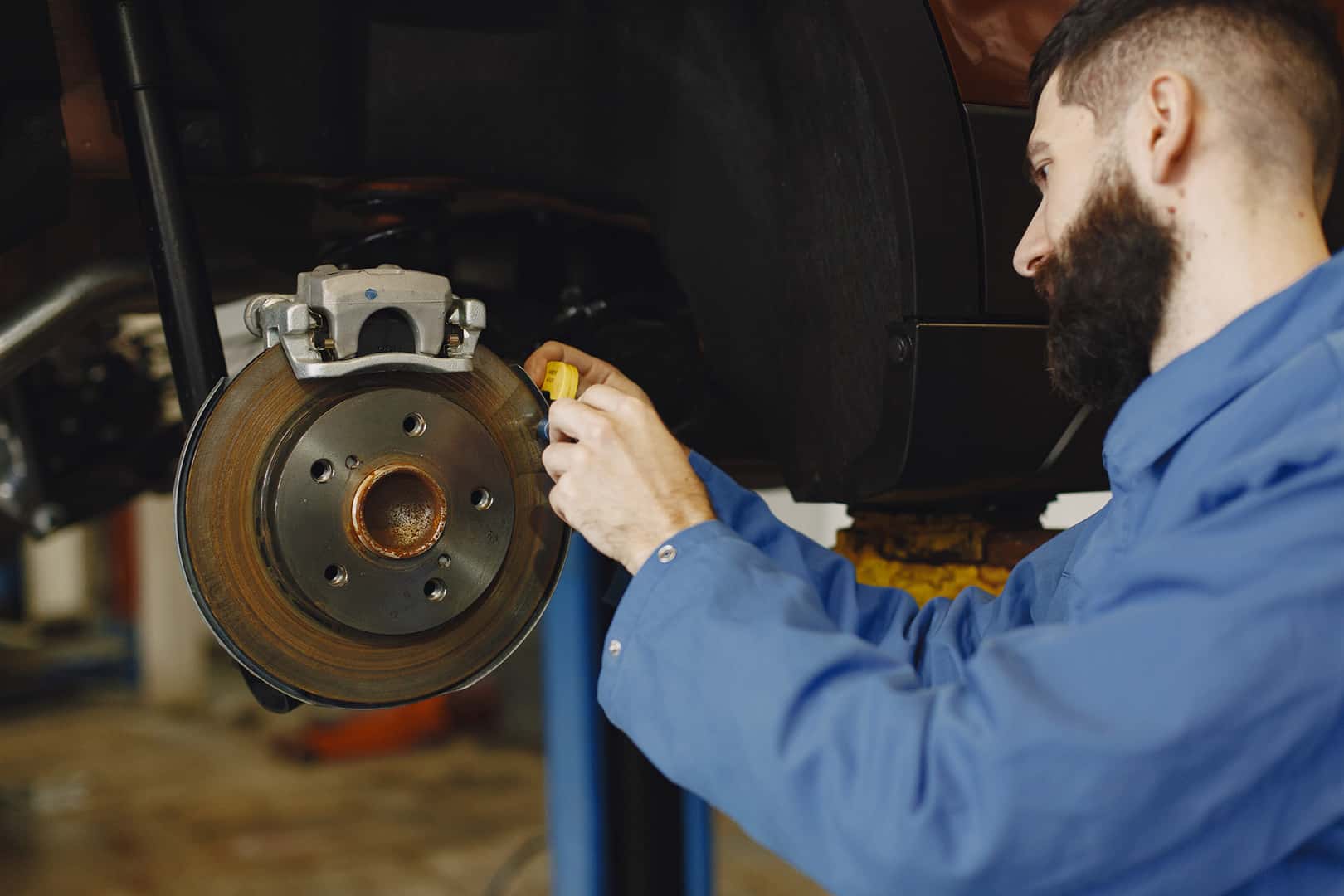
Brake rotors are metal discs connected to your vehicle’s tires that work together with the brake pads to make braking possible. Over time, rotors can become warped due to excessive heat and friction–a common problem for those who have a tendency to aggressively slam on their brakes.
When the rotors become warped, your brake pads have to adjust, causing your car to shake.
Sticky Brake Calipers
Brake calipers press the brake pads against the rotor. Dust buildup, wear and tear, and corrosion can cause the brake calipers to fail, resulting in uneven pressure between the brake pads and a nerve-rackingly shaky ride.
Worn or Dirty Brake Pads
Your Chevy or GMC brake pads will naturally wear down over time, eventually becoming too thin to grip the rotors evenly. When this happens, your vehicle will vibrate and produce a high-pitched squeaking sound, meaning one thing: it’s time to schedule a brake service near you.
Suspension Problems
Worn or damaged suspension components may be the root cause of your vibrating vehicle. In addition to vibrations when you apply the brakes, you may notice excessive bouncing or uneven tire wear.
When to Schedule a Brake Repair Near You: Key Factors
A shaky car is not the only sign to look out for to determine when it’s time to schedule a GMC or Chevy brake service appointment.
Here are some other signs your vehicle may need a brake pad replacement or brake repair:
Audible Warning Signs
High-pitched squeaking, squealing, or grinding noises when applying the brakes may indicate worn brake pads that are causing unnecessary friction against the rotors.
Slow Response Time
When your braking system needs replacement, you may notice a spongy or “soft” brake pedal that must be pressed closer to the floor than usual to come to a complete stop.
Vehicle Pulling
If your vehicle starts to pull to one side while braking, it may be a sign of a sticky caliper or uneven brake pad wear.
How to Fix a Shaky Car: Your Brake Maintenance Schedule
Brake maintenance is a critical component for any vehicle owner and should never be put off. Neglecting your vehicle’s warning signs can put your safety at risk and cost you more in future repairs.
How long brake pads last depends largely on your driving habits and environment. If you “ride your brakes” or use aggressive driving tactics, you may need to replace your brakes every 20,000 miles. Those who frequently drive on open stretches of highway may only need a brake pad replacement every 70,000 miles, compared to those who drive in stop-and-go traffic in the city.
Below, we’ve outlined a general brake maintenance schedule to help you keep your Chevy or GMC vehicle ready for the road ahead.
For City Drivers…
- Annual braking system inspections
- Replace brake pads every 20,000 miles
- Brake fluid flush every 2 years
For Highway Commuters…
- Annual braking system inspections
- Brake pad replacement every 60,000 miles
- Brake fluid flush every 2 years
Every vehicle and driver is different, so consult your vehicle’s owner’s manual for specific recommendations on brake maintenance and replacements.
Prioritize Your Stop-and-Go Power with Team Chevrolet GMC of Salisbury!
Whether you navigate daily stop-and-go city traffic or rack up highway miles, your braking system is your vehicle’s most critical safety feature, so don’t wait for it to go out!
By staying ahead of routine inspections and listening closely to the early warning signs of wear, you ensure optimal stopping power, protect your investment, and—most importantly—keep yourself and your passengers safe on every drive.
Schedule a service appointment with our team today to ensure your brakes are ready for every drive, and watch for our ongoing service specials to help you save on your next brake check!
0 comment(s) so far on Why Does My Car Shake When I Brake? When to Schedule a Chevy or GMC Brake Service